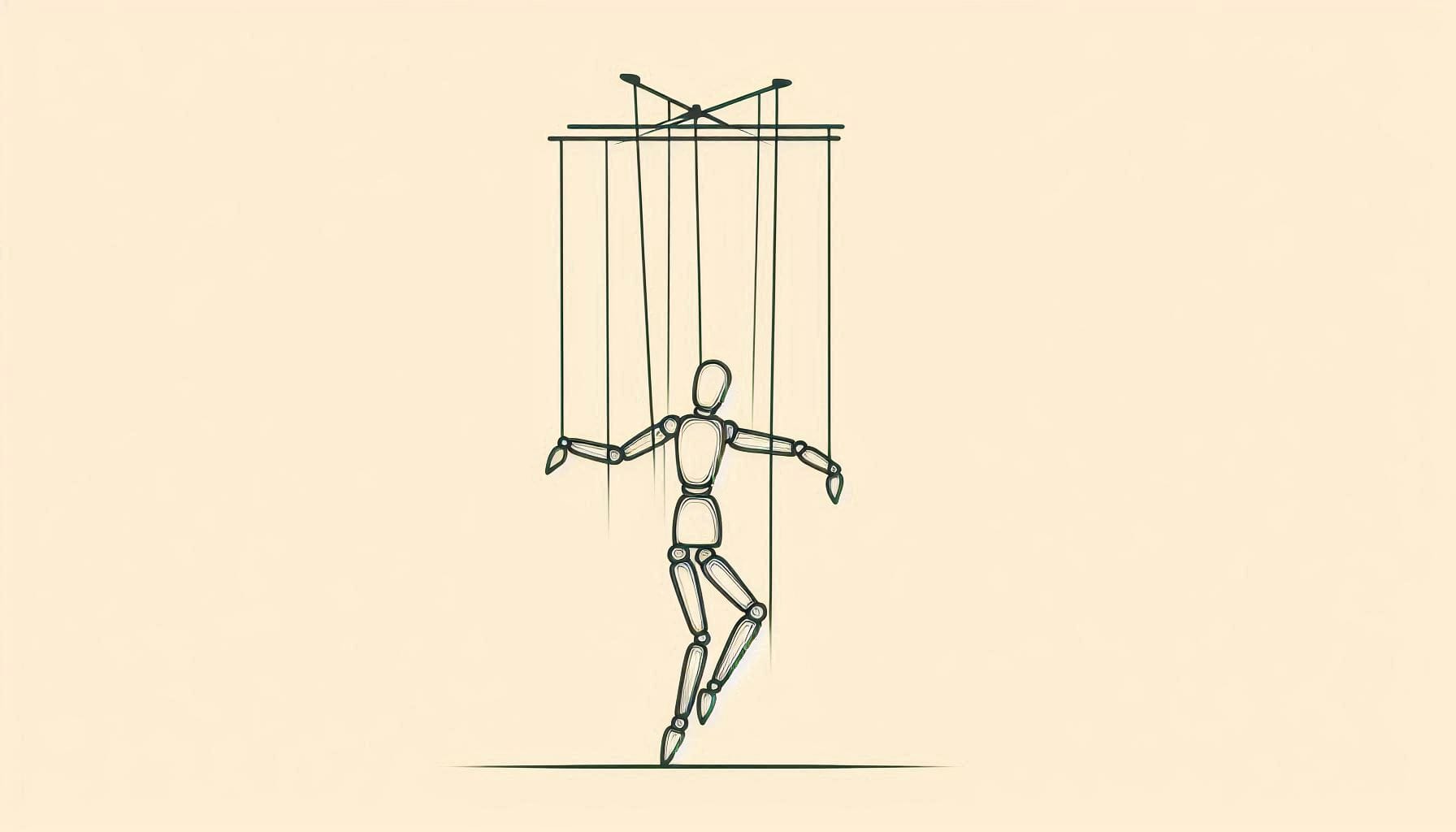
The ego is the root of all your unhappiness, dissatisfaction, and stress. It manifests through your identification with form – primarily through your thoughts and emotions, and then through physical objects.
You believe that you are your mind, your thoughts, your emotions, and the voice that speaks in your head. You believe your identity and worth are tied to your possessions. This identification with form blinds you to your fundamental connection with all of life and obscures your true nature as pure consciousness.
Your suffering stems from the ego’s inability to accept and be present in the now. The amount of stress you experience directly correlates with how much you resist the present moment. The more you resist what is, the more you suffer. In other words, the more deeply you identify with your thoughts, the greater your suffering becomes.
How the Ego Creates Suffering
When you’re caught up in identifying with your thoughts, finding inner peace becomes impossible because this very identification conceals it. As Eckhart Tolle explains:
“When you live in a world deadened by mental abstraction, you don’t sense the aliveness of the universe anymore. Most people don’t inhabit a living reality, but a conceptualized one.”
This identification with thoughts prevents you from experiencing the space between thoughts – what Tolle calls Presence. Furthermore, it creates the compulsive need to always be right, because your thoughts and ideas become integral to your sense of self.
When someone disagrees with your ideas, you feel threatened at a physical level. This misperception is the source of all interpersonal conflicts and, by extension, all global conflicts.
The ego’s attachment to the physical world creates another form of neurosis, as it constantly seeks to reinforce its false identity through acquiring possessions. One of the ego’s defining traits is its endless pursuit of satisfaction – a pursuit that can never succeed.
As Tolle notes:
“The ego cannot tolerate becoming friendly with the present moment except briefly just after it got what it wanted. But nothing can satisfy the ego for long. As long as it runs your life, there are two ways of being unhappy. Not getting what you want is one. Getting what you want is the other.”
How, then, can we fight the illusion of the ego? Tolle’s answer is simple: you can’t fight an illusion, as the very act of fighting validates it as real. Liberation from the ego comes through recognizing its neurotic patterns and acknowledging its madness. Only then can you discover the inner peace you seek.
Eckhart Tolle’s Key to Freedom: Understanding and Dissolving the Pain-Body
Consider how ducks behave after a fight: they separate, flap their wings to release excess energy from the confrontation, and then continue swimming as if nothing happened.
But imagine if one of those ducks had a human mind. It would likely dwell on thoughts like “Who does she think she is? She can’t invade my territory.” These thoughts might persist for days, months, or even years.
The pain-body is accumulated unreleased energy from past events that you carry with you everywhere. It prevents you from fully releasing negative past experiences.
This explains why you might react disproportionately to certain situations – these are events that trigger your pain-body. You’re not just experiencing the present moment but reliving all related negative past experiences connected with the current situation.
For instance, you might have an excessive reaction when someone is late, criticizes you, or brings up money. Your response isn’t about the current situation but rather stems from unresolved past experiences.
This pattern explains why you might keep encountering the same problems: you’re continuously reliving the past, allowing unresolved emotions to dictate your reactions to present events.
How can we free ourselves from the pain-body? Tolle provides guidance:
“When the pain-body is activated, know that what you are feeling is the pain-body in you. This knowing is all that is needed to break your identification with it. And when identification with it ceases, the transmutation begins. The knowing prevents the old emotion from rising up in your head and taking over not only the internal dialogue, but also your actions as well as interactions with other people.”
This Too Shall Pass: How Understanding Impermanence Helps You Disidentify from the Ego
An ancient Sufi wisdom tale tells of a king who struggled with extreme emotional states. His life oscillated between euphoria and despair, with even minor events triggering intense reactions. Every small setback would cast him into darkness, while any success would elevate him to unsustainable heights. Worn down by this emotional rollercoaster, the king sought guidance from a wise man renowned for his profound inner peace.
The sage offered help with an unusual agreement – the price would be so steep that even the king’s entire kingdom might not suffice. However, if the king truly honored the teaching, it would become his most valuable gift. Intrigued, the king agreed. Weeks later, the sage presented a simple jade box containing only a gold ring inscribed with the words “This too shall pass.” The sage instructed the king to touch and read these words before judging any situation as good or bad.
This seemingly simple message – that everything, whether pleasant or unpleasant, is temporary – carries the same profound wisdom that Eckhart Tolle expresses:
“Those words inscribed on the ring are not telling you that you should not enjoy the good in your life, nor are they merely meant to provide some comfort in times of suffering. They have a deeper purpose: to make you aware of the fleetingness of every situation, which is due to the transience of all forms, good or bad. When you become aware of the transience of all forms, your attachment to them lessens, and you disidentify from them to some extent. Being detached does not mean that you cannot enjoy the good that the world has to offer. In fact, you enjoy it more. Once you see and accept the transience of all things and the inevitability of change, you can enjoy the pleasures of the world while they last without fear of loss or anxiety about the future.”